Have you heard the story of the Irish Lighthouse keeper’s wife, who helped save thousands of lives on the Normandy coast?
In 1944, along the west coast of Ireland, a lighthouse keeper’s wife sat down and recorded the weather. It was a routine report that fed into the Atlantic weather forecast. The kind of report filed every day at stations around the Irish coast. But this one was different.
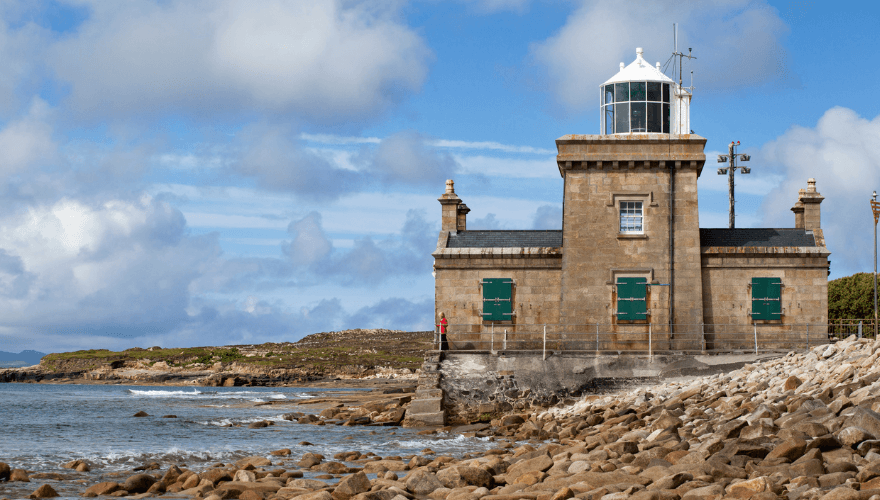
Blacksod Lighthouse, Mullet Peninsula
She didn’t know it at the time, but her report saved thousands of lives during World War II. Maureen Sweeney’s timely weather observations from Blacksod Lighthouse helped delay the Normandy landings by 24 hours, saving countless lives.
This is just one of the stories Irish Lights has been keeping for over 200 years. It’s time Dublin heard the rest.
Dublin’s Coastline Through a Lighthouse Lens
Irish Lights started its tenure in 1786, originally as the Corporation for Preserving and Improving the Port of Dublin.
It was their engineers who built our lighthouses; in extreme locations, long before modern machinery. The world’s first successful high-candle-power lighthouse light wasn’t built in France or Britain, but at the Baily Lighthouse on Howth Head, Dublin, in 1865.
Irish Lights has evolved from a small port‑based authority into a sophisticated network reaching the island’s outermost fingertips. This network has grown to encompass 64 lighthouses around the island of Ireland, as well as buoys, beacons, electronic aids, and a coastal monitoring system, using advanced technology, data, and engineering.
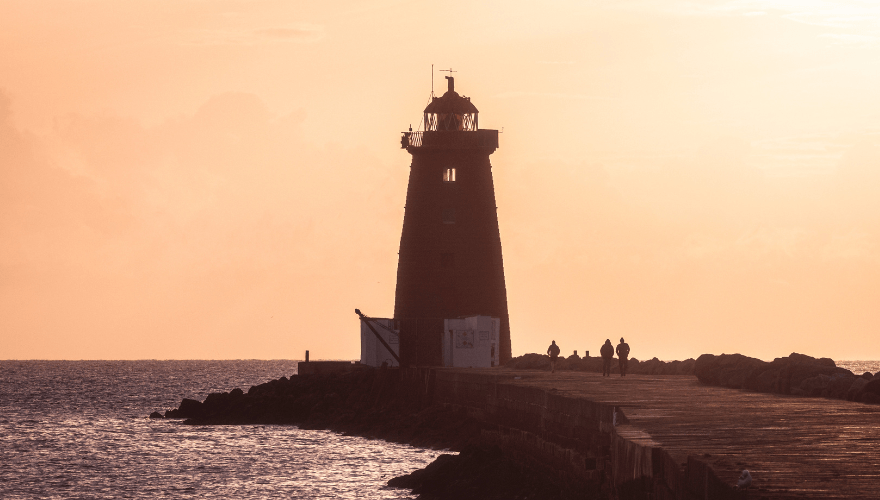
Poolbeg Lighthouse at Night, Co Dublin
Irish Lights has also been safeguarding this heritage infrastructure through the Great Lighthouses of Ireland initiative, bringing 16 stations to life in different ways, from overnight stays to guided tours, scenic walkways, and even a boat tour around the iconic Fastnet Rock.
The Human Face of Irish Lights
Woven into this material history sits a human one. Lighthouse keepers have been keeping the lights burning as part of a 24/7, all-island emergency network, logging ship movements, extreme weather, survivors, shipwrecks, and even wartime incidents.
Their 250-year-old archive holds stories found nowhere else. Stories of ordinary people safeguarding us from the extremities.
Some lighthouse keepers even lived through torpedo attacks and aerial activity during the two World Wars, while remaining on duty.
Today, the Irish Lights team of engineers, navigators, and IT specialists operate a round-the-clock maritime safety service, managing a complex network of aids to navigation along the Irish coast. They are also custodians of some of the most remarkable working heritage buildings in Ireland.
A Secret History of Dublin’s Lighthouses
Let’s continue the journey and look more closely.
Imagine you’re on the DART, traversing the coastline from Howth to Dalkey. Look out the window, isn’t Dublin Bay a beauty? The bay is a UNESCO Biosphere Reserve, one of only a handful of urban bays with that designation.
And our lighthouses stand at the heart of it.
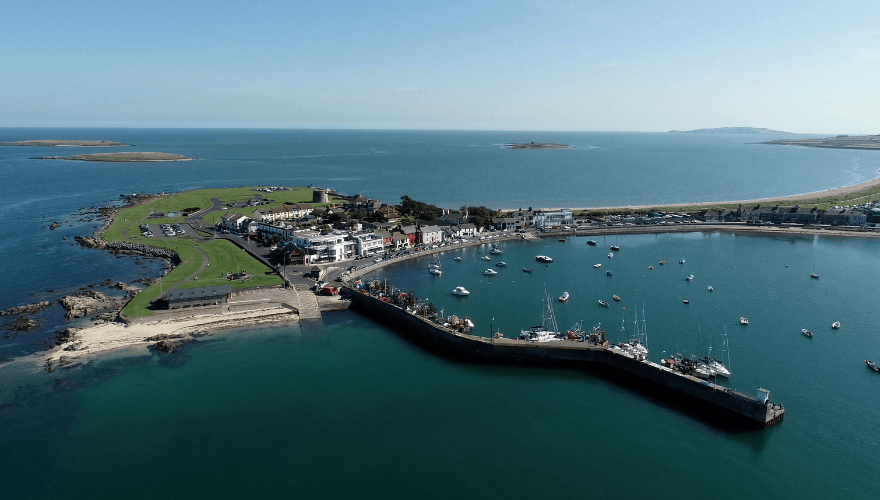
Aerial view, Harbour, Skerries
Go and See for Yourself
And the good news? Some of Ireland’s most dramatic lighthouse scenery is on your doorstep and free to enjoy.
Northside Strolls
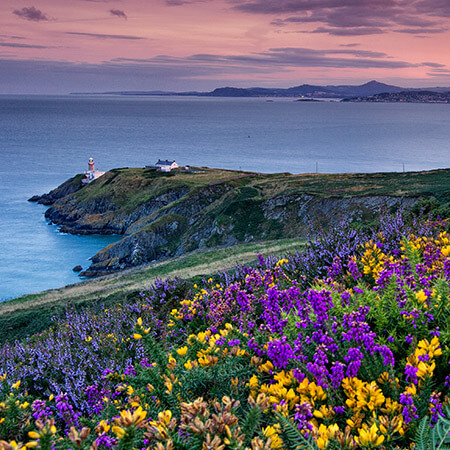
Ready for a proper adventure? Then take the Howth cliff walk, where you can enjoy views of the Baily, but don’t forget to bring sturdy footwear. The vista is worth every step.
Walk the Great South Wall
There’s nothing like a bracing walk along the Great South Wall out to Poolbeg Lighthouse. It’s flat, paved, and boasts one of the most panoramic views of the bay. Nothing quite prepares you for how remote it feels within the city limits. Did you know the red tower is painted red for a reason? It pairs with the green lighthouse on the North Bull Wall to mark the safe channel into Dublin Port.
East Pier Strolls
Look across the bay and another much-loved stroll beckons. A short pier walk with a big view of the bay will bring you to the East Pier Lighthouse in Dún Laoghaire.
Explore lighthouse history up close at the Maritime Museum of Ireland in Dún Laoghaire. There’s a lighthouse optic on display that is genuinely jaw-dropping. Observe a piece of engineering that shaped how our coastline was navigated for over a century, sitting quietly in a room most Dubliners have never entered.
A Seafarer’s Perspective
Take in the full glory of these landmarks by retracing the seafarers’ approach. With Dublin Bay Cruises, you could scan the city skyline on one side and the open sea on the other. Relive what it would have been like to watch these towers loom into view.
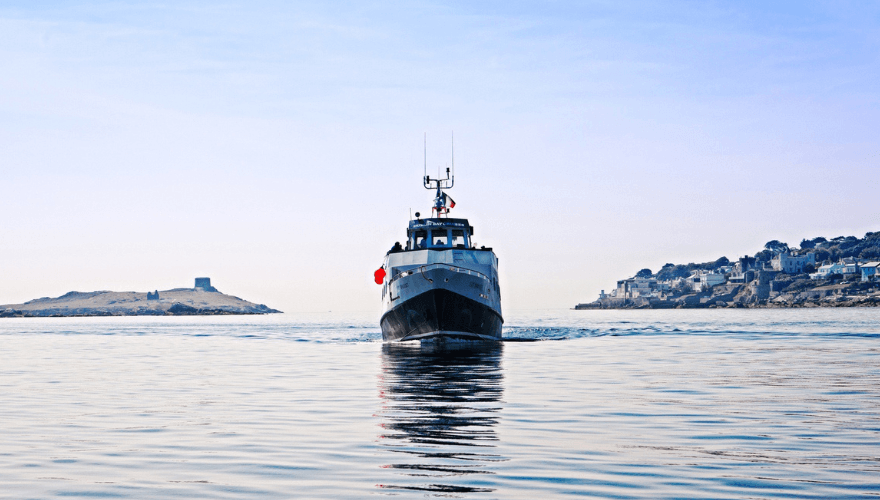
Dublin Bay Cruises
Getting there: DART to Howth or Dún Laoghaire. Dublin Bus to Ringsend for the South Wall. Commuter rail to Skerries for Rockabill views. Dublin Bay Cruises is fully accessible.
Best time: Any time of year. April to September for the best light. Bring a rain layer regardless. Pack your binoculars for the best Rockabill views in summer, when the terns are in residence.
Dublin Bay: One Coast, Endless Stories
Our lighthouses are just one chapter of a bigger coastal story. From the historic, seaweed-scented shores of Balbriggan in the north to the rocky coves of Dalkey in the south, Dublin Bay connects bustling coastal villages, wildlife, and the capital’s literary icons in one sweeping vista.
Whether you’re walking the Great South Wall for the first time or planning an overnight stay in a keeper’s cottage on the Wild Atlantic Way, this coastline has a story for every kind of explorer.
The only question is – where will you start?