The second annual Dublin Startup Week, which took place from October 21st – 25th 2019, was a celebration of the city’s innovation and startup ecosystem.
With five days of networking events, keynotes, panels and workshops – all free of charge – the event was aimed at future, current, and repeat startup founders. Find out more at dublinstartupweek.com
Next up in this mini-series, we meet Natalie Novick, another of the event’s track captains.
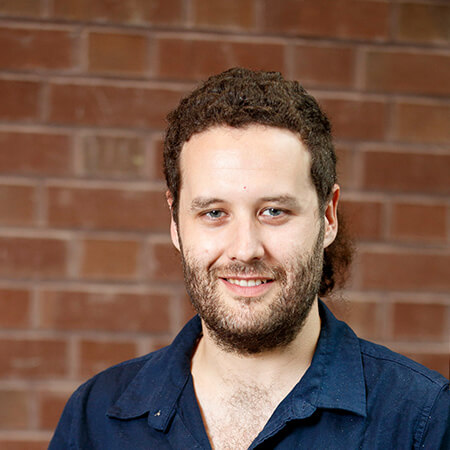
Natalie Novick is a University of California San Diego PhD student who now resides in Edinburgh. She lived in Dublin from 2008 to 2011 – “in the depths of the tough times” as she says now, although the experience has enabled her to nominate a favourite Dublin pub: The Oak.
Currently, she’s research editor at Tech.eu and is finishing a thesis which has a much snappier title (The Startup City). She’s receiving more offers of publishing deals than these things usually get. Natalie is spectacularly knowledgeable about the startup scene worldwide – but in a refreshingly non-academic way.
Find a place where you can be giving back and giving something of value to the community. Because whatever you give, you will get back tenfold
Novick was the track captain for Entrepreneurship 101 at Dublin Startup Week 2019, and provided top tips for those who were new to the startup scene. Her super-encouraging, can-do attitude is infectious, as she urged attendeed to remember “that entrepreneurship is for everyone.”
That’s certainly not the way it used to be. “Traditionally we didn’t have this sort of approach to entrepreneurship”, she says. “ It was always very exclusive. It was limited to those with very high privilege or high capital”. Novick is delighted to see the startup ecosystem becoming more inclusive: “Now you’re starting to see this change, more people are joining the startup scene, and there are more resources for those that might be outside the norm. Those are the things that really excite me.”
Not for a minute, however, does she suggest that any of this stuff is easy. On the contrary: “For startups, everything is really tough, and especially if you’re building technology products, you need to connect, to share, to get feedback continually from those around you as you’re building.”
All the more so if you’re trying to build something for a market that might not exist yet, “or for a product that no one’s ever really experienced before. You need to be interacting with the community in a way that you wouldn’t if you were developing a coffee shop, for instance, where there are fewer unknowns.”
It’s all about engaging with the ecosystem, then? ”Yes”, she says, “and one of the best ways of finding your niche in this community is to ask about what you can do to help. Find a place where you can be giving back and giving something of value to the community. Because whatever you give, you will get back tenfold.”
there is not one formula or one recipe for a startup company. There is no right or wrong way of doing it
Something she is keen to emphasise is that lonely as it might feel in the startup world, you are not alone. She sees Dublin Startup Week as playing an important role in this respect. “It’s your one-stop-shop for your local startup community”, she says. “It highlights the local stories that are playing out in the region and the local resources that are available.” But just as importantly, it inspires and helps you build your network. “It’s a fast way of getting to know some of the local players and getting a great picture of that scene.”
2019 was Novick’s second year as a track captain at the Dublin event. What were her hopes for this year’s event? “I’m keen for people to hear the first-hand accounts of founders – especially founders in Dublin”, she says. “I think for whoever is in the audience, hearing those stories and hearing about what it’s taken to achieve success is invaluable – especially when each story is unique.”
Everyone’s on their own path, she says: “there is no one formula or recipe for a startup company. There is no right or wrong way of doing it – it’s that inspirational feeling of, you know, ‘if I can do this, truly anyone can’.”
Keep up with the event organisers on social to get continued insights throughout the year, and head along to next year’s events!