The National Holocaust Memorial Day

This event has ended

The Mansion House, Sunday 26th January

The National Holocaust Memorial Day commemoration takes place in Dublin every year on the Sunday nearest to the 27 of January, in the Round Room at the Mansion House. It is organised under the auspices of Holocaust Education Trust Ireland in association with The Department of Justice and Equality and Dublin City Council.

The Holocaust Memorial Day commemoration cherishes the memory of all who perished in the Holocaust. It recalls six million Jewish men, women and children and millions of others who were persecuted and murdered by the Nazis because of their ethnicity, disability, sexual orientation, political affiliations or their religious beliefs. The ceremony includes readings, survivors’ recollections, candle-lighting and music. It is attended by people from all walks of life and is a moving and dignified event.

Please contact HETI on [email protected] if you are unable to register for the event.


Date:
Sunday 26th January
Time:
6.00pm - 8.00pm
Price:
Registration required
Address:
The Mansion House, Dawson St, Dublin 2, Ireland
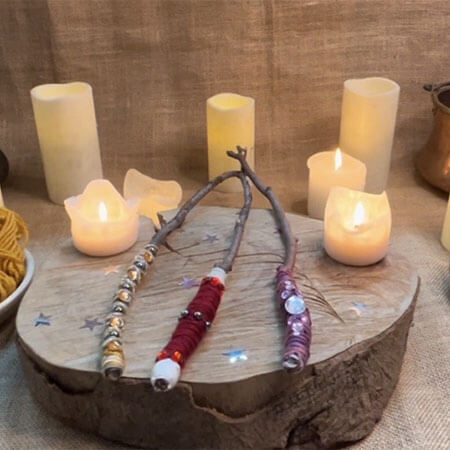
Google Map of The Mansion House, Dawson St, Dublin 2, Ireland
YOU MIGHT ALSO LIKE...

What's on

Women and Girls in Jacob’s Biscuit Factory, c.1911-1977

Wood Quay Venue

Jacob’s is remembered by many Dubliners as a benevolent employer. The firm’s concern with welfare, while relatively innovative, was nevertheless paternalist and profit-driven, with a view to forging a loyal and healthy workforce in a city where housing and sanitation were notoriously poor. One of Ireland’s top three manufacturing firms for some time after independence, women and girls consistently made up two-thirds of its staff. This talk will explore the female experience of work at Jacob’s, covering issues of social class, gendered discipline, and discrimination in preference of

What's on

Irish Famine Exhibition

Stephen's Green Shopping Centre

The Irish Potato Famine was the most catastrophic event in Ireland's turbulent history. It is also regarded as being one of the worst Famines in history (deaths as a proportion to population). The use of the word 'Famine' in this context is controversial, for Ireland at the time was part of the richest Empire in the World (the British Empire). There was sufficient food in the country throughout the 'Famine' years, yet over a million people died from starvation and disease, and millions more were forced to flee. This Exhibition tells the story of what happened during those horrific years. W

What's on

Manuals of Immorality: Censoring publications in twentieth-century Ireland

Wood Quay Venue

The scale and ambition of the Irish censorship regime is preserved in a blacklist of over 12,000 publications. From 1930 to 2016, the censorship board banned all manner of printed material. Sex education manuals, pulp fiction, nineteenth-century pornography, celebrity memoirs, and newspapers and magazines appear alongside literature from the greatest twentieth-century writers. This state censorship emerged from the report of the Committee on Evil Literature (1926), which gathered opinions from churchmen of all persuasions, newsagents, charities, trade unions and civil servants. The moral attit