Ancient Manuscripts and the Psychology of Reading

Chester Beatty and Online, Wednesday 10th June

Dr Christoph Scheepers, Senior Lecturer in Psychology, University of Glasgow

Research in the psychology of reading has traditionally centred on the cognitive processes involved in text comprehension. This includes exploring questions such as: “How do readers recognize words?”, “How do they integrate information at the word, sentence, and discourse levels to construct a coherent interpretation of the text?”, or “How do they resolve ambiguities at these various levels?”.

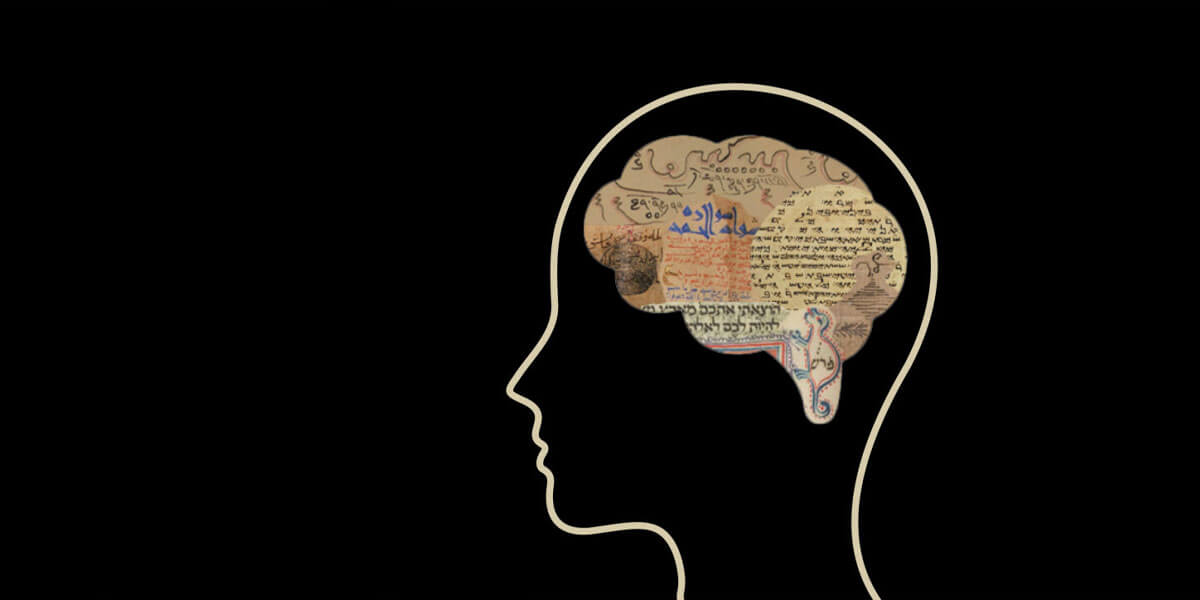
Ancient manuscripts introduce an additional aesthetic dimension to these inquiries—an area that so far has received relatively little attention in the psychology of reading. These manuscripts are particularly rich in paratextual features, such as marginalia, cross-referencing systems, and artworks, which supplement the main text. These elements have the potential to convey knowledge and understanding that extend beyond the content of the primary text itself.

Examining how this process occurs requires a comprehensive approach that combines methodologies from the psychology of reading—particularly eye-tracking (to identify where readers focus their attention)—with survey and qualitative data. This integrated approach aims to assess not only the reading process, but also the aesthetic and emotional responses to manuscript elements and how they affect interpretation in different readers.

In this lecture, I will discuss key findings from applying this method to ancient manuscripts as part of the Paratexts Seeking Understanding project, with a particular emphasis on the role of aesthetics, in shaping readers’ interpretations of texts.

FREE Talk:  No booking required for onsite talk, please register for online viewing via Zoom HERE.


Date:
Wednesday 10th June
Time:
6.00pm
Price:
Free
Address:
Chester Beatty, Castle Street, Dublin 2, Ireland
Google Map of Chester Beatty, Castle Street, Dublin 2, Ireland
You might also like...

Bloomsday Festival - A literary carnival in honour of James Joyce and his famous novel, Ulysses, that was set in Dublin on June 16th, 1904.

What's on

Bloomsday Festival

Various Locations

Bloomsday celebrates Thursday 16 June 1904, the day depicted in James Joyce’s novel Ulysses. The day is named after Leopold Bloom, the central character in Ulysses. The novel follows the life and thoughts of Leopold Bloom and a host of other characters – real and fictional – from 8am on 16 June 1904 through to the early hours of the following morning. Celebrations often include dressing up like characters from the book and in clothes that would have been the style of the era. One of the hallmark fancy dress items of Bloomsday is the straw boater hat. Celebrations come in many differen

What's on

Queer Spectrum Film Festival

Irish Film Institute

Powerful stories and moving images from LGBTQIA+ migrants and queer people of colour around the world. Welcome to Queer Spectrum Film Festival (QSFF) – a vibrant celebration of queer stories in motion. As Ireland’s first film festival dedicated to LGBTQIA+ people of colour and migrant voices, QSFF foregrounds powerful narratives shaped by migration, desire, nostalgia, intimacy, community, and transformation. Responding to Ireland’s evolving role as a place of refuge and possibility for LGBTQIA+ migrants from the Global South and East, the festival moves beyond familiar coming-out n

What's on

A Joycean Evening

Dalkey Castle & Heritage Centre

Begin your Bloomsday celebrations in style with an uplifting evening of Joycean theatre and music. A talented cast will perform witty and moving extracts. Interspersed with toe-tapping music. A talented cast will perform witty and moving extracts from Ulysses, Dubliners, and A Portrait of the Artist as a Young Man, revealing Joyce’s humour and humanity. Baritone Simon Morgan, accompanied by Josh Johnston, will perform Joycean songs. Back by public demand we are delighted to have Sinéad Murphy and Darina Gallagher with us again in 2026. They will perform Songs of Joyce: a toe-tapping mus