This event has ended
Online, Wednesday 23rd June
In 1800, Henrietta Street was one of the most elegant and elite addresses in all of Georgian Dublin, home to some of the most powerful members of the Anglo-Irish ruling class. Yet, by 1900 Henrietta Street had become synonymous with Dublin’s poverty and decline, as almost every house on the street was in use as tenements.
In this Teatime Talk, author Tim Murtagh and theatre maker and Creative Director of ANU, Louise Lowe, talk about what life was like for the people of 14 Henrietta St during one of the most defining moments for Dublin’s working classes – the 1913 Lockout; and the subsequent Easter Rising, one of the most turbulent periods in the city’s history.
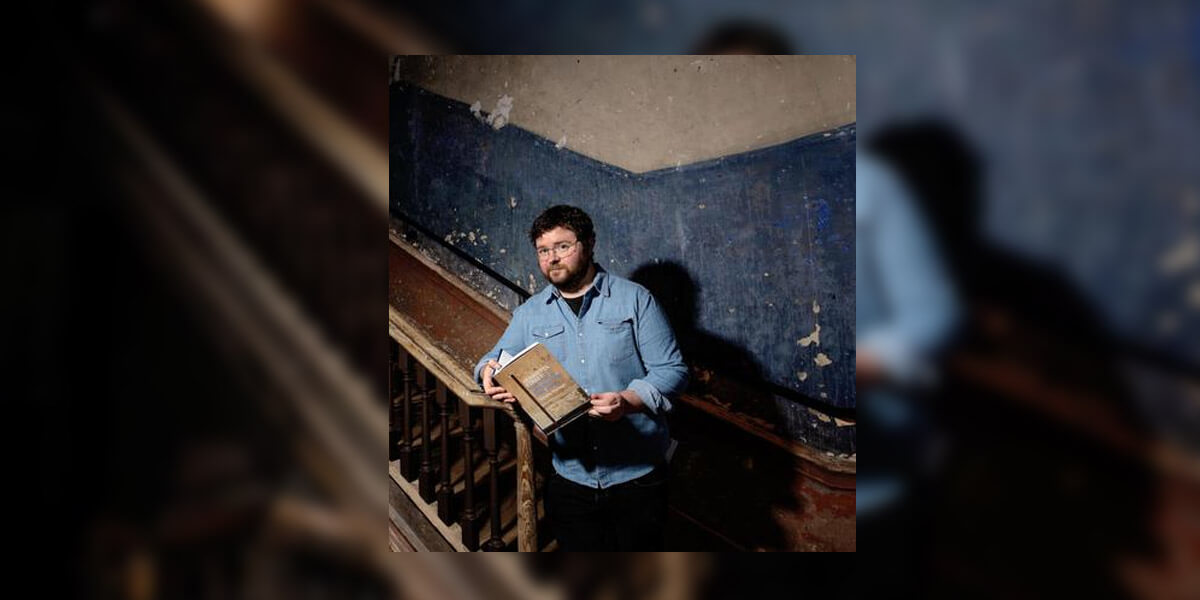
Timothy Murtagh completed his PhD at TCD in 2015. His doctoral thesis was on Dublin’s working-class radicals in the eighteenth century. He is the author of ‘Spectral Mansions, The Birth of a Dublin Tenement' (Four Courts Press) and several articles and book chapters on Dublin’s social history and the origins of Irish republicanism. From 2015 to 2016, he was the Irish Government Senior Scholar to Hertford College, Oxford. He is currently a research fellow with the Beyond 2022 project, based in the Public Records Office of Northern Ireland (PRONI) in Belfast. Since 2015, he has acted as a historical consultant to the 14 Henrietta Street museum, as well as being a committee member of the Dublin Historical Research Network.
Louise Lowe is a theatre maker who creates site-specific and immersive art works within communities of space, place and interest. As Creative Director of ANU she led the award winning productions ‘Living the Lockout’ and ‘Hentown’ at 14 Henrietta Street, which brought the story of the people of the tenements to life against the backdrop of the red raddle and reckitts blue walls.
The Talk will take place online using Zoom, a free online meeting platform. You will need an internet connection and a compatible device (e.g. computer, laptop, iPad, tablet, phone) to access Zoom.
- Date:
- Wednesday 23rd June
- Time:
- 7.00pm
- Price:
- Free