This event has ended
Wood Quay Venue, Wednesday 15th April
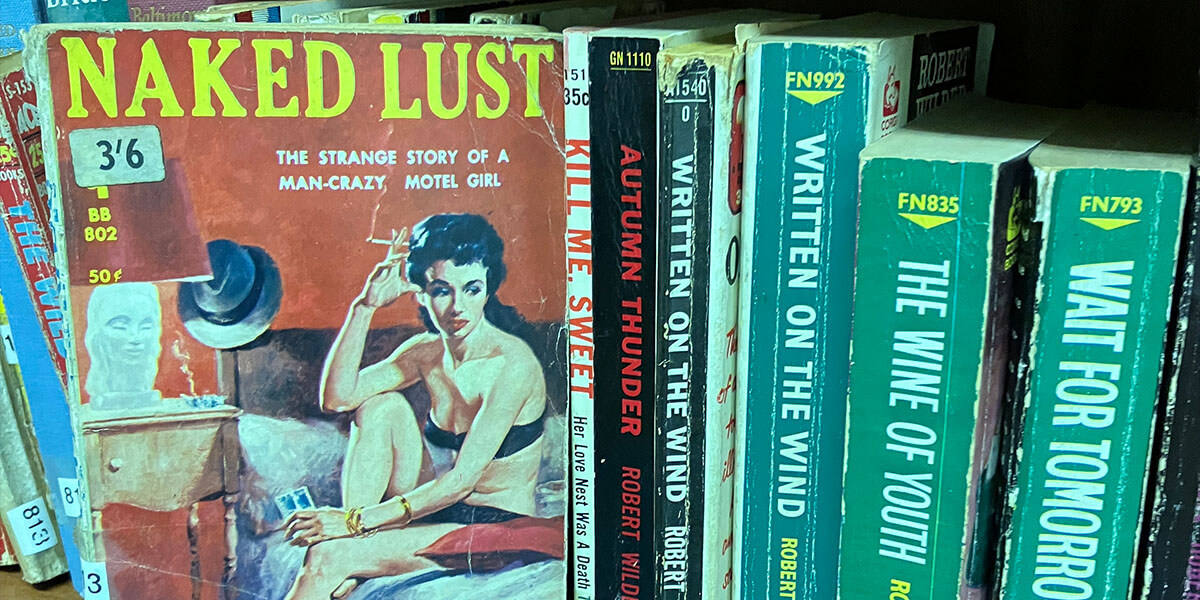
The scale and ambition of the Irish censorship regime is preserved in a blacklist of over 12,000 publications. From 1930 to 2016, the censorship board banned all manner of printed material. Sex education manuals, pulp fiction, nineteenth-century pornography, celebrity memoirs, and newspapers and magazines appear alongside literature from the greatest twentieth-century writers. This state censorship emerged from the report of the Committee on Evil Literature (1926), which gathered opinions from churchmen of all persuasions, newsagents, charities, trade unions and civil servants. The moral attitudes of the committee’s final report permeated the first Censorship of Publications Act in 1929. Through case studies of banned publications, this lecture will explore how sexuality and reproduction terrified Irish censors who believed banning advice manuals such as Married Love by Marie Stopes would protect children. John McGahern, famously censored in 1965, called the system ‘cruel, inhuman and fascistic’. It was also extraordinarily long-lived – In Dublin Magazine was banned in 1999 and the last book was added to the blacklist in 2016. This lecture will explore how censorship worked, who collaborated and who resisted, and how it profoundly affected human relationships in twentieth-century Ireland.
ISL interpretation will be provided. This talk will be recorded and uploaded to Dublin City Heritage on YouTube.
This talk forms part of the Oak Room Heritage Talk Series, created by Dublin City Council's Heritage Office as an action of the Dublin City Strategic Heritage Plan 2024-2029. It is part-funded by the Heritage Council. Email [email protected] with any queries.
- Date:
- Wednesday 15th April
- Time:
- 6.00pm
- Price:
- Free
- Address:
- The Wood Quay Venue, Fishamble Street, Wood Quay, Dublin 8, Ireland