Teatime Talks-Under siege: Dublin tenement life 1913 – 1916

This event has ended

Online, Wednesday 23rd June

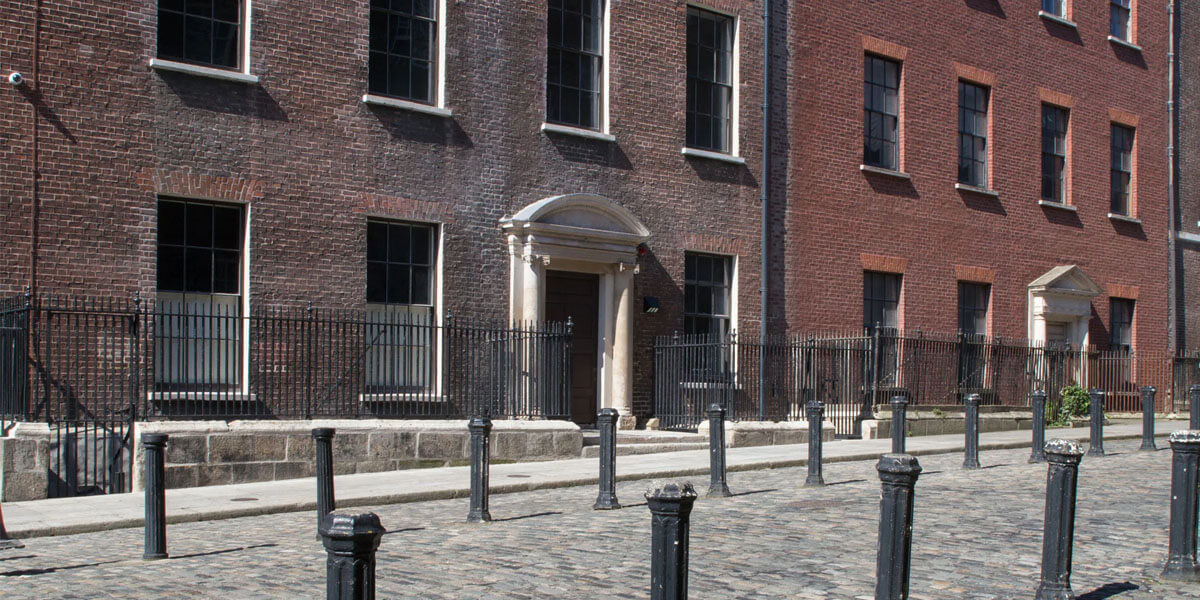
14 Henrietta Street presents three historical publications which expand on, and uncover the lives of the people who lived at 14 Henrietta Street and the surrounding areas. This talk is part of the programme of events which mark the publication of the books. 14 Henrietta Street: Grandeur and Decline by Dr Tim Murtagh tells the story of Henrietta Street over the period 1800 to 1922. Commencing with the Act of Union and finishing on the eve of the Irish Civil War, the book investigates the nature and origins of Dublin’s housing crisis in the nineteenth and early twentieth centuries.

In 1800, Henrietta Street was one of the most elegant and elite addresses in all of Georgian Dublin, home to some of the most powerful members of the Anglo-Irish ruling class. Yet, by 1900 Henrietta Street had become synonymous with Dublin’s poverty and decline, as almost every house on the street was in use as tenements.

In this Teatime Talk, author Tim Murtagh and theatre maker and Creative Director of ANU, Louise Lowe, talk about what life was like for the people of 14 Henrietta St during one of the most defining moments for Dublin’s working classes – the 1913 Lockout; and the subsequent Easter Rising, one of the most turbulent periods in the city’s history.

The Talk will take place online using Zoom, a free online meeting platform. You will need an internet connection and a compatible device (e.g. computer, laptop, iPad, tablet, phone) to access Zoom.

Please note, the zoom link to the Talk is contained within your reminder email which is sent 24 hours prior to the event.

Teatime Talks is a series of talks inspired by the history and people of 14 Henrietta Street.

Do you have a memory of Dublin’s tenements or know someone who does? Whatever your connection, we would like to hear from you.


Date:
Wednesday 23rd June
Time:
7.00pm
Price:
Free

You might also like...

What's on

Women and Girls in Jacob’s Biscuit Factory, c.1911-1977

Wood Quay Venue

Jacob’s is remembered by many Dubliners as a benevolent employer. The firm’s concern with welfare, while relatively innovative, was nevertheless paternalist and profit-driven, with a view to forging a loyal and healthy workforce in a city where housing and sanitation were notoriously poor. One of Ireland’s top three manufacturing firms for some time after independence, women and girls consistently made up two-thirds of its staff. This talk will explore the female experience of work at Jacob’s, covering issues of social class, gendered discipline, and discrimination in preference of

What's on

Irish Famine Exhibition

Stephen's Green Shopping Centre

The Irish Potato Famine was the most catastrophic event in Ireland's turbulent history. It is also regarded as being one of the worst Famines in history (deaths as a proportion to population). The use of the word 'Famine' in this context is controversial, for Ireland at the time was part of the richest Empire in the World (the British Empire). There was sufficient food in the country throughout the 'Famine' years, yet over a million people died from starvation and disease, and millions more were forced to flee. This Exhibition tells the story of what happened during those horrific years. W

What's on

One Dublin One Book

Dublin

Christine Falls by John Banville is the One Dublin One Book choice for 2026, following on from Dublin Written in Our Hearts, an anthology, chosen for 2025. One Dublin One Book aims to encourage everyone in Dublin to read a designated book connected with the capital city during the month of April every year. This annual project is a Dublin City Council initiative, led by Dublin City Libraries and Dublin UNESCO City of Literature, which encourages reading for pleasure. The author introduces us to the maverick pathologist Quirke whose only passion is finding truth in science. While readers