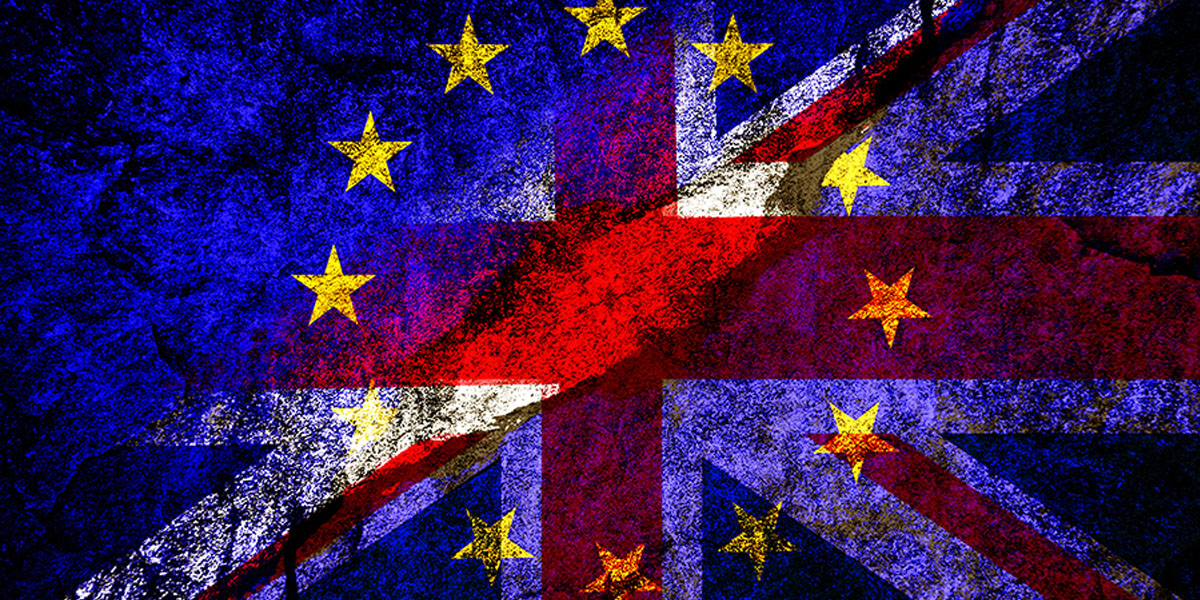
Brexit, Covid-19 and the Transition Period

This event has ended

Online, Thursday 11th June

DCU Brexit Institute: Webinar – Brexit, Covid-19 and the Transition Period.

The DCU Brexit Institute will host a webinar on Brexit, Covid-19 and the Transition Period. The event will be opened by remarks of Stefaan De Rynck (European Commission Negotiating Task Force on EU-UK Relations) and continued with a round-table discussion featuring Colin Hunt (CEO of AIB) and Michael McAteer (Managing Partner of Grant Thornton), moderated by Shona Murray (Euronews).


Date:
Thursday 11th June
Time:
3.00pm - 4.30pm
Price:
Free - Registration required

YOU MIGHT ALSO LIKE...

What's on

Bealtaine Festival

Various Locations

The 2026 Bealtaine Festival, Ireland’s national celebration of creativity in older age (run by Age & Opportunity), takes place throughout May with events nationwide. It features a diverse mix of arts, film, performance, and community engagement, promoting the artistic contributions of older people. Proudly funded by the Arts Council and the HSE, with the support of communities nationwide and a vast network of accomplished local and national bodies.

What's on

Alliance Française Comic Book Festival

Alliance Française Dublin

Alliance Française Dublin and Illustrators Ireland have joined forces to present the 11th edition of the Comic Book Festival Dublin, celebrating the vibrant worlds of comics and illustration. This year’s programme features a series of creative events designed to inspire, entertain, and amaze. Building on the success of last year’s festival, this edition expands in scope and introduces some exciting new elements. The opening evening will feature acclaimed French comic creators Fabien Tillon and Gaël Remise, alongside outstanding Irish artists Sarah Bowie and Sheena Dempsey. In ad

What's on

“The Diversity Within”: Representations of Fairground Travellers and Showpeople in Irish Tradition

Wood Quay Venue

In recent decades, particularly when viewed through a media lens, Irish Travellers have been frequently depicted as a single homogenous group of people, all of whom share the same cultural traditions and history. This narrative is partly a remnant of colonial discourse whereby all Irish Travelling people and nomadic groups were “classified” as one and the same -e.g. “masterless men and women”, “wandering Irish”, “wild Irish” etc. Under colonialism, administrators made little or no distinction between different cultural and minority groups who travelled for a living and the rest